
Would you like to switch to the accessible version of this site?

Go to accessible site Close modal window

Don't need the accessible version of this site?

Hide the accessibility button Close modal window
Accessibility View Close toolbar

Call Us Today

217-673-4870

  • Home
  • New Patient Center
    • Veterinary Resources
    • Online Forms
    • What to Expect
    • Payment Options
    • Petsimonials
  • Companion Animals
  • Equine & Large Animals
  • Services
  • About Us
    • Meet our Team
    • Virtual Office Tour
  • Memorials
    • Submit Your Pet Memorial
  • Contact Us
    • Request Appointment
Fennec Foxes
  • Home >
  • Articles >
  • Choosing Your Pet >
  • Small Mammals >
  • Domesticated Animals >
  • Fennec Foxes

Fennec Foxes

fennec foxes

Fennec Fox Care Guide

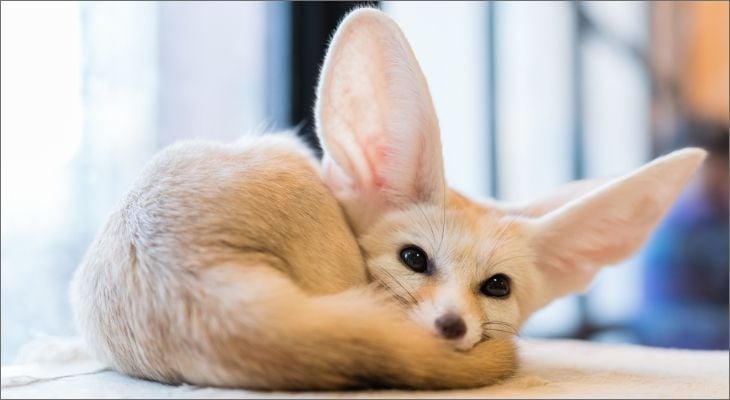
With oversized ears and mischievous faces, fennec foxes are cute as can be. But these exotic pets require a lot of care to stay healthy and happy.

Health

At just three pounds, fennec foxes are the smallest member of the fox family. Native to the Sahara desert, fennec foxes are covered in thick fur that protects them from heat and sand. Since they're built for desert life, fennecs need to live in an environment that's at least 68° F.

Fennec foxes have health needs similar to those of a dog. Routine veterinary care, vaccinations, and flea preventative are requirements. And since the fennec is a wild animal, some vets don't feel comfortable caring for these little guys.

Training

As a wild animal, fennec foxes can't be trained as easily as domesticated pets. However, some owners have successfully house trained their fennecs. Some can be trained to walk on a leash. We recommended lots of praise and treats to encourage these behaviors.

Care

In the wild, fennecs are nocturnal. That means they will be much more active at night. They are naturally inquisitive and can be quite destructive when left unsupervised. A dog crate is a good option to contain nighttime antics, and some fennecs will adapt to their owners' schedules.

If you chose to keep your fox outside, you'll need a way to keep him contained. Fennecs can dig up to 20 feet deep. They're excellent climbers and can jump much higher than their small size suggests. A wired enclosure with a concrete or wood floor is a good option. A layer of sand will help your pet feel more at home. Just make sure the enclosure is large enough for your fennec to run, play and exercise.

Feeding

Fennec foxes are omnivores in the wild. They eat a mixture of meat and plants. Commercial fox food isn't easy for pet owners to come by, most feed their fennecs dog food, cat food, vegetables, and fruits. Take care to ensure your animal gets enough taurin in his diet to support metabolic processes. Be sure to consult with your veterinary care team who will help you determine the best foods for your fennec fox.

No article settings found. Please configure it

  • Services

    We strive to provide complete care for our patients. Learn more about all the services we provide.
  • Online Forms

    Our patient forms are available online so they can be completed in the convenience of your own home or office.
  • Make an Appointment

    We will do our best to accommodate your busy schedule. Schedule an appointment today!

Office Hours

*Open the 1st, 3rd and 5th Saturday when it applies.

Monday:

8:00 AM-12:00 PM

1:00 PM-5:00 PM

Tuesday:

8:00 AM-12:00 PM

1:00 PM-5:00 PM

Wednesday:

8:00 AM-12:00 PM

1:00 PM-5:00 PM

Thursday:

8:00 AM-12:00 PM

1:00 PM-5:00 PM

Friday:

8:00 AM-12:00 PM

1:00 PM-5:00 PM

Saturday:

8:00 AM-12:00 PM

Sunday:

Closed

Location

Testimonial

I absolutely love the ladies at this office. They are so nice and helpful and my fur babies like them to!! I strongly recommend this practice if you are in need of a great vet and staff!!

Angel C.

    March Newsletter: How to Keep Your Cat Safe When Outdoors

    Wondering how your cat can safely spend time outdoors? ...

    Read More

    March Newsletter: How to Choose Safe Blankets for Pets

    Do you know how to pick a safe blanket for your pet? ...

    Read More

    March Newsletter: Should Horses Get Vaccinated Seasonally?

    Is it the right time to vaccinate your horse? ...

    Read More

    February Newsletter: How to Reduce Dental Anxiety in Pets

    Does your pet hate toothbrushing? These tips could reduce dental anxiety. ...

    Read More

    February Newsletter: How to Safely Change Your Cat’s Food

    Buying a new food for your cat? Find out how to switch foods safely. ...

    Read More

    February Newsletter: Why Gradual Introduction to Grass Matters for Horses

    Find out why slower is better when it comes to introducing your horse to grass. ...

    Read More

    January Newsletter: How a Veterinarian Can Help Your Horse with Digestive Issues

    Feeling frustrated by your horse's digestive problems? Find out how your veterinarian can help. ...

    Read More

    January Newsletter: Signs Your Pet Needs a Wellness Exam

    Does your pet need a wellness exam? ...

    Read More

    January Newsletter: How Your Veterinarian Can Help If Your Pet Ingests Something Toxic

    Has your pet eaten something it shouldn't have? Find out how your vet can help. ...

    Read More

    December Newsletter: Toxic Plants Every Horse Owner Should Know

    Do you know which plants are toxic for your horse? ...

    Read More

Follow Us

Find Us On Social Media

  • Copyright © 2026 MH Sub I, LLC dba iMatrix.
  • Admin Log In
  • Site Map